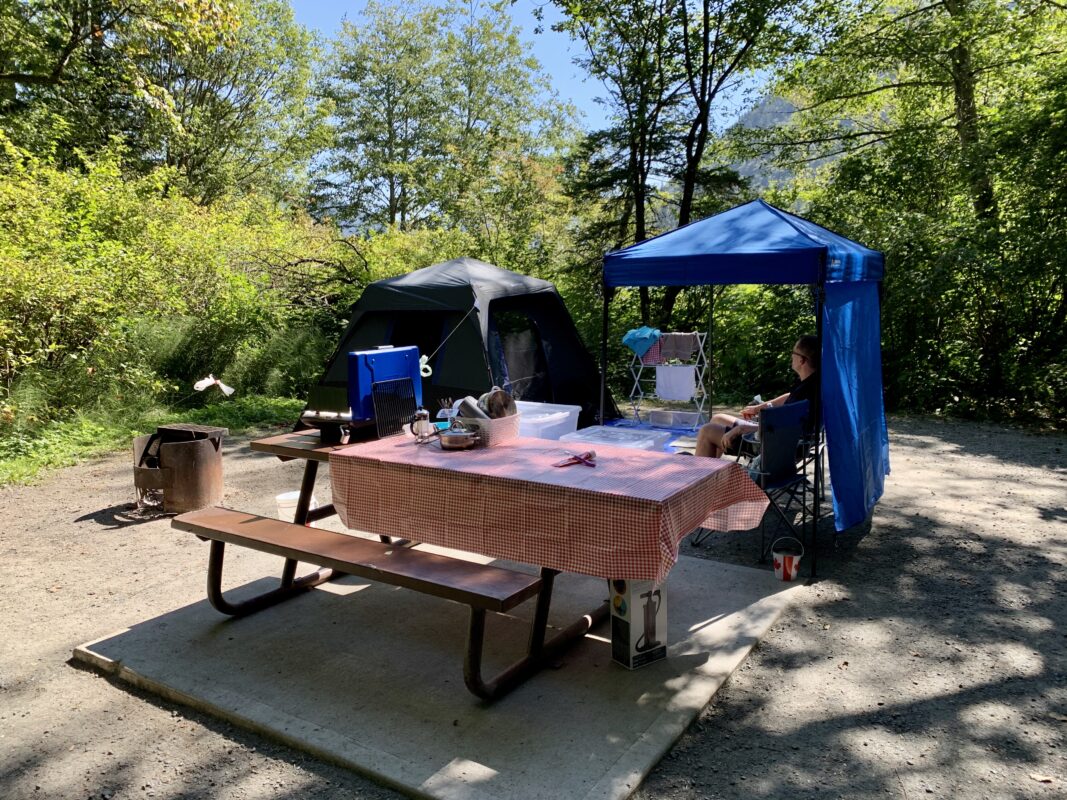
So, what do you need for overnight camping? Well, if you are not driving a camper or motorhome, then read on. There are a few must-haves for survival in the woods and that would be a tent, sleeping bag, lantern or flashlight, food, drinking water. Pretty basic but my personal camping list is a bit […]
So, what do you need for overnight camping?
Well, if you are not driving a camper or motorhome, then read on. There are a few must-haves for survival in the woods and that would be a tent, sleeping bag, lantern or flashlight, food, drinking water. Pretty basic but my personal camping list is a bit more extensive. If you are like me and are not glamping or roughing it, then some creature comforts are a must. I love the outdoors but with some comforts of home. Browse through the list and see what appeals to you and would make your camping trip awesome. Obviously, if you are not driving right into your campsite and have some distance to hike, you would want to travel as light as possible. I prefer a site in which I can park my SUV and just start setting up. Remember to pack a hoodie or sweater as it can get somewhat chilly at nights in the forest. The majority of items listed are dedicated to camping or day trips and stored in clear storage containers so they are ready for the road. The only items which need to be added for each trip would be food, water, ice, and propane.
- Shelter/Sleep
- Pop up Tent
- Pop up Gazebo
- Air mattress or sleeping cot (or both)
- Air pump (if needed for mattress inflation)
- Sleeping bag or I prefer comforters & blankets
- Pillows & Pillowcases
- Food Items/meal prep
- Camping stove
- Propane
- Cooler
- Ice
- Snacks, Trail Mix, Drinks
- Coffee & Hot chocolate
- Coffee whitener or milk
- Camping coffee maker or coffee cone
- Drinking Water
- Water jug with spout
- Aluminum foil
- Liquid Dish soap
- Large Ziplock bags (excellent for keeping small things organized)
- Dish towel
- Dish sponge
- Camping Pots & Pans
- Dishes (I use my picnic set for camping as they prettier than the camping stuff)
- Cutlery
- Lunch Napkins (I prefer cloth sets as it’s environmentally friendly)
- Picnic Tablecloth
- Paper Towel
- Kitchen Mitten
- J-cloths (for cleaning up)
- Convenience Items/Tools
- Matches or a lighter
- Batteries
- Garbage bags
- Tarps (they have multiple uses)
- Nylon rope
- Hammer or Mallet
- Thermos (1-liter capacity) – Great for keeping tea or coffee hot!
- Power Bank (charging smart phones and tablets)
- Citronella Candle (keeps mosquitos away)
- Hygiene
- Extra clothing
- Bath towels, hand towels
- Bath soap and any other toiletries you cannot live without.
- Toothbrush & toothpaste
- Soap dish
- Toilet paper
- Facial Tissue
- Door mat (it keeps the interior of the tent clean)
- Insect repellant/bug spray
- Sunscreen
- First-aid kits (especially if travelling with kids)
- Entertainment
- Electronic games (if you have the ability to recharge)
- Guitar
- Movies on a mobile device
- Books
- Magazine
- Board games
- Deck of cards
- Marshmallows for roasting
- Smores kit (great for the kids and the big kids too)
- Camping with pets
- Most campgrounds allow you to bring along your furry little friends.
- Pet Camping List
- Drinking Bowl
- Food Bowl
- Pet Food
- Pet Bed & Blanket
- Pet lifejacket
- Glow in the dark collar
- Toys
- Brush
- Towel
- Leash (most campgrounds require that pets on a leash)
- Check your local pet store for pet travel accessories.
- How to buy the right size camping tent
When it comes to choosing a tent, choose a tent based on the type of camping you are going to be doing. When we were choosing our tent, it was important to have a bit of extra space for our backpacks and a small folding night stand. I suggest that you double or triple the sleeping capacity. So, if there are two people, then buy a tent which sleeps 4 or 6, then you would have extra room for moving around inside your tent without it feeling to cramped.
Safety
Do not leave food in your tent or unattended on a picnic table. All food items should be stored in secure containers a placed in a closed vehicle. Bears, Squirrels, Birds etc. may have a party with your food items.
Be familiar with poisonous plants, especially if camping with young children and pets.
Bear spray – Never used this myself but some folks may feel the need to carry.
First Aid kit – Make sure it’s has expired. Some kits have expiry dates depending on the contents.
Accidents could happen. Never leave a campfire or any flame e.g. candle, torch, stove unattended. Simple accidents could have devasting impact on our forest and wildlife habitats.
Remember to bring along lifejackets if you would be participating in water sports.
Camping on a budget
Today there are many options for camping gears and lets fact it, it’s always fun to buy shiny new toys. You can buy brand name camping gear or you can be thrifty and still have fun. That being said, if you are going to be camping often or camping in different seasons, I would strongly recommend buying better quality gear which would both have great features and would last longer. If you are an occasional camper or new to camping or just don’t want to spend extra money, then check out our money saving tips.
15 Money-saving tips for camping on a budget:
- Use cooking utensils, stove-top kettle, cutleries, tea towels and potholders from you home kitchen.
- Use old comforter and blankets instead of buying a sleeping bag.
- Check for used camping gears at the thrift store in your city or online.
- Borrow a tent from friends, relatives or neighbours.
- Wait for end of season sale at the big box sporting goods stores, you can really scoop up some great buys if you not too picky about colours or brands.
- Plan ahead and star a camping fund for the next season. If you save 10.00 per paycheque/every two weeks, you would have approximately 260.00 set aside for your next camping trip.
- Camp as a group and split the cost for food, gas, campground fees etc.
- Use your flashlight on your smartphone instead of buying a separate one.
- Fill you tank with cheap gas at your favourite gas station, many small towns or more remote locations have higher gas prices.
- Use a large capacity water jug with a spout for drinking water, instead of buying bottled water. It is also better for the environment as the water jug is reusable. These can be found online or at your local sporting goods department.
- Buy Insect repellant, sunscreen and first-aid kits at end of season when they are on sale. These can be used for your next years camping trips.
- Bring along a can of ground coffee a coffee cone with filter to enjoy your morning cup of coffee. Saves you from walking to a convenience store of gas station to buy your more coffee. This will cost just pennies if you make it yourself and it would taste much better!
- Use free camping spaces, with a little research and imagination you could locate wildness areas where you could camp for free. Just remember to reduce your footprint and take all your trash with you for proper disposal.
- Make you own trail mix for snacking. If you own a dehydrator you can dehydrate a multitude of fruits and mix with nuts and mini pretzel for fun treats the whole family would enjoy. You can also purchase dried fruits from the bulk food section of your grocery store and combine with almonds, popcorn etc.
- Avoid camping in National Parks as they have additional cost associated. Leave this for the splurge trip.
-